Expert Tile Installation:Transform Your Floors With Design and Longevity
Professional tile placement offers a unique blend of style and durability for contemporary interiors. Skilled professionals bring precision to every project, guaranteeing that every tile is properly positioned. This not only enhances the aesthetic appeal but also contributes to the lasting performance of the space. As homeowners evaluate their options, understanding the complexities of tile selection and installation becomes essential. What elements should one prioritize to attain the desired outcome?
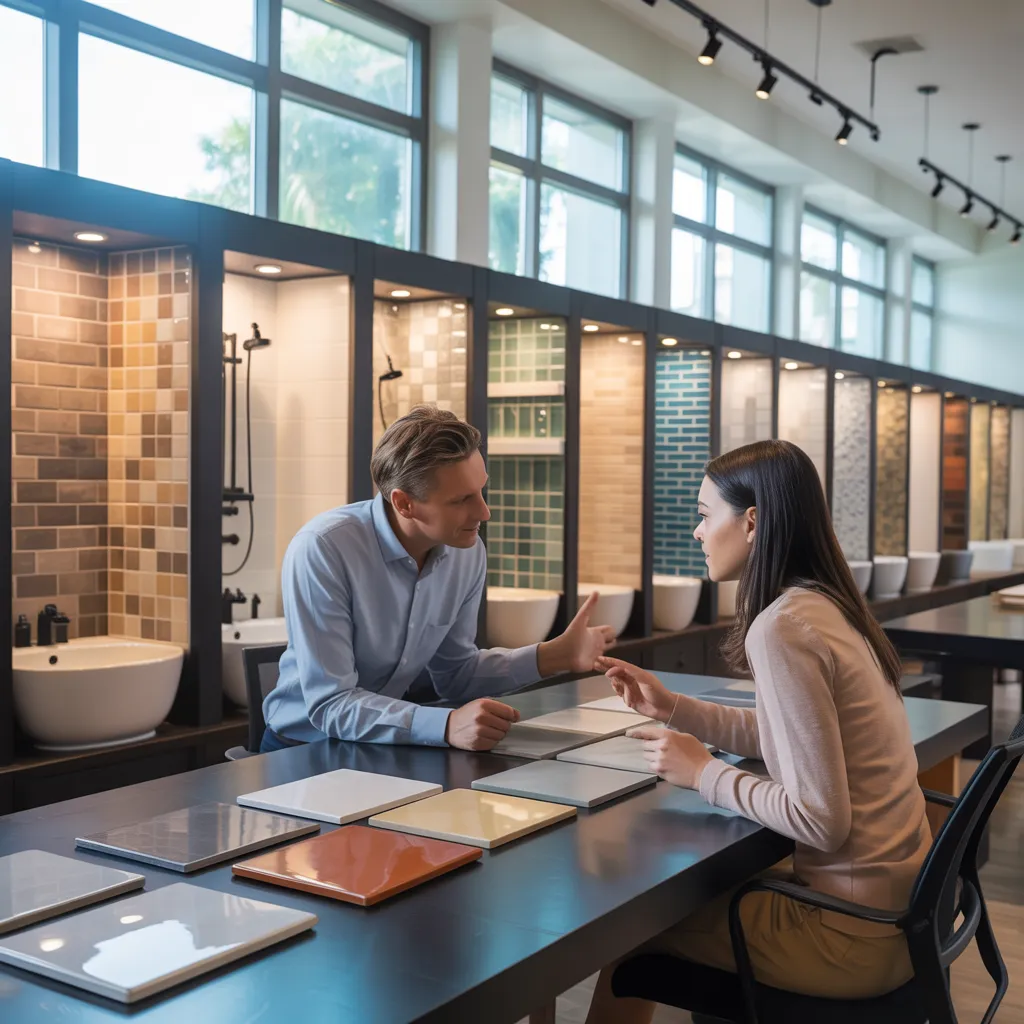
The Benefits of Professional Tile Installation
Opting for expert tile installation enhances both the visual and practical aspects of a space. Skilled installers deliver expertise that guarantees accurate dimensions, correct alignment, and effective design planning, which reduces the risk of errors that can compromise the overall look. Employing advanced methods and equipment, professionals can create perfect surfaces that enhance the aesthetic quality of any room.
Additionally, expert installation often produces prolonged lifespan. Seasoned experts grasp the nuances of different tile materials, confirming that the fitting adhesive compounds and joint fillers are placed for maximum longevity. This attention to detail mitigates common issues such as splintering or water damage.
Furthermore, hiring experts can save time and stress. They take care of everything involved, giving homeowners the ability to concentrate on different elements of their undertaking. Overall, professional tile installation not only transforms spaces but also supplies lasting benefits and mental ease.
Excellent Installation Guidelines for Reliable Tile
Durable tile installation demands proficiency in several essential techniques. essential information First, proper surface preparation is critical; the substrate must be clean, dry, and level to guarantee maximum adhesion. Next, the selection of the right thin-set mortar is important, as it affects the bond strength and the tiles' longevity. Using a notched trowel to apply the mortar evenly allows for better tile contact.
In addition, using spacers preserves consistent grout lines, while ensuring that tiles are firmly pressed into the mortar helps prevent air pockets. For expansive areas, a wet saw is suggested for accurate cuts, while small, intricate designs may benefit from manual tile nippers. In conclusion, providing adequate curing time before grouting is vital to creating a strong bond. By applying these techniques, the strength and visual appeal of tile installations can be greatly enhanced.
Bypass These Frequent DIY Tile Installation Problems
When commencing a DIY tile application, many homeowners neglect critical steps that can cause costly errors. Skipping proper surface prep and misaligning tiles are two typical errors that can undermine the overall quality and appearance of the finished project. Resolving these problems early can save time and frustration in the long run.
Disregarding Surface Preparation
Neglecting surface preparation is a common pitfall in DIY tile installation that can lead to disastrous results. Proper surface preparation guarantees a level, clean, and dry substrate, which is essential for tile sticking and longevity. Failure to fix flaws, such as cracks or unevenness, may cause tiles to break or detach over time. Additionally, inadequate cleaning can result in dust and debris interfering with the adhesive bond. Moisture issues, if overlooked, can lead to mold growth beneath the tiles, compromising both aesthetics and health. Ultimately, thorough surface preparation not only enhances the look of the installation but also guarantees durability, reducing the likelihood of costly repairs in the future. Avoiding this step is a mistake that can jeopardize the entire project.
Improper Tile Positioning
Surface preparation lays the foundation for a successful tile installation, but even a properly prepared substrate can suffer from incorrect tile alignment. This frequent error can lead to uneven surfaces, noticeable gaps, and ultimately, a damaged aesthetic. Proper alignment is vital; tiles must be laid in straight lines and consistent patterns to guarantee visual appeal and structural integrity. DIY enthusiasts often neglect the importance of using spacers, which help maintain uniform gaps for grout and avoid shifting. Additionally, failing to establish a reference line can result in a cascading effect of misalignment. To achieve professional results, measuring meticulously and adjusting as needed throughout the installation process is essential. These practices will enhance both the beauty and longevity of the tiled surface.
Steps to Discover the Perfect Tile Style for Your House
How can one choose the most suitable tile style to elevate their home's visual appeal? First, review the primary style of the space. Whether contemporary, rustic, or traditional, the tile should harmonize with existing decor. Next, evaluate the scale and size of the area. Larger tiles can create an illusion of space, while smaller tiles might suit intricate designs in smaller rooms.
Color plays an essential role; neutral shades present flexibility, while bold colors can make a bold impression. Texture, likewise, should not be dismissed. Shiny tiles can reflect light, making a room appear brighter, while matte finishes provide a more subdued appearance.
To summarize, consider functionality. Tiles in high-traffic areas need durability, while those in aqueous environments need non-slip qualities. By carefully reviewing these aspects, one can determine a tile selection that not only enhances beauty but also satisfies practical needs.
Tile Preservation Guidelines for Long-lasting Results
Proper tile maintenance is critical for preserving lifespan and keeping appearance intact. Regular cleaning practices, sealing grout, and managing temperature and humidity are necessary components of an effective care routine. By addressing these factors, one can substantially increase the life of tile installations.
Regular Cleaning Routines
Keeping tile floors attractive and durable requires steady cleaning habits that stop dirt from building up and causing damage. Regular sweeping or vacuuming is necessary to clear away loose debris, and damp mopping with a pH-neutral cleaner helps remove grime without damaging the tile finish. It’s recommended to avoid abrasive scrubbers that may scratch the surface. For more stubborn stains, mixing baking soda with water offers a gentle but effective cleaning solution. Also, promptly wiping up spills helps to stop stains from setting. Following these cleaning practices not only improves the aesthetic appeal of tile floors, but also significantly increases their lifespan, keeping them pristine for many years.
Why Sealing Your Grout Matters
Standard maintenance practices set the foundation for effective tile care, but grout sealing is just as critical for protecting the integrity of tile installations. Grout, frequently porous, can take in moisture, particles, and stains, leading to discoloration and degradation over time. By applying a high-quality grout sealer, homeowners can form a safeguarding barrier that sheds water and prevents staining, enhancing both appearance and life span. Sealing grout also minimizes the proliferation of mold and mildew, supporting a more sanitary indoor environment. It is generally recommended to seal grout every one to three years, depending on how much it's used and exposure to moisture. Regular grout sealing not only safeguards the aesthetic appeal of tile surfaces but also guarantees sustained durability for years to come.
Temperature and Humidity Monitoring
Controlling climate conditions is important for extending the lifespan of tile installations. Fluctuations in temperature can cause tiles to expand and contract, leading to cracks or loosening over time. Maintaining a stable indoor climate, ideally between 60°F and 80°F, helps mitigate these risks. Additionally, humidity levels should be kept between 30% to 50%. Excess moisture can lead to mold growth or damage to grout, while overly dry conditions may cause tiles to become brittle. Homeowners should consider using dehumidifiers in humid climates and humidifiers during dry seasons. Regular assessment of these environmental factors guarantees that tile surfaces remain in prime condition, strengthening both durability and aesthetic appeal. Implementing these strategies promotes long-lasting beauty and functionality in tile installations.
Locating a Dependable Tile Installation Contractor
Can one ensure that they hire a trustworthy tile installation professional? First, thorough investigation is critical. Prospective customers should request recommendations from family, friends, or web-based reviews to identify reputable professionals. Verifying qualifications, such as permits and coverage, assures that the professional meets industry standards and is covered for any possible issues during installation.
In addition, requesting a portfolio of past projects enables clients to evaluate the quality and style of the expert's workmanship. It is also wise to acquire several estimates, as this provides understanding of costs and the expert's manner of communication. Participating in a detailed consultation helps explain timelines and expectations. Finally, a trustworthy professional should provide warranties for their work, showing confidence in their work. By following these steps, individuals can determine wisely and secure an skilled tile installation specialist who aligns with their project needs.
Commonly Requested Inquiries
Which Types of Tile Options Work Best for Exterior Installations?
Porcelain and natural stone tiles are perfect for external applications due to their durability and resistance to weather elements. Additionally, rough finishes provide better traction, enhancing safety in wet conditions while preserving aesthetic appeal.
What Duration Should You Anticipate for a Expert Tile Installation?
Professional tile placement process generally takes one to three days, relying on the project's size and complexity. Elements such as substrate preparation and type of tile can materially influence the overall timeframe of the installation.
Can You Install Tile On Top of Current Flooring?
Yes, tile can be installed over existing flooring, provided the surface is properly leveled, clean, and structurally intact. This method can minimize effort and time spent, but meticulous planning and assessment are imperative for a successful installation.
Which Instruments Do You Need for Skilled Tile Installation?
Expert tile installation needs implements such as a tile cutter, trowel, level, measuring tape, grout float, spacers, and a mixing paddle. Proper equipment provides precision and efficiency, producing a high-quality finished floor.
Do Green Tile Alternatives Exist?
Yes, there are eco-friendly tile selections available, including reclaimed ceramic, natural stone, and sustainably sourced products. These options minimize environmental damage while providing design appeal and strength for various flooring needs.